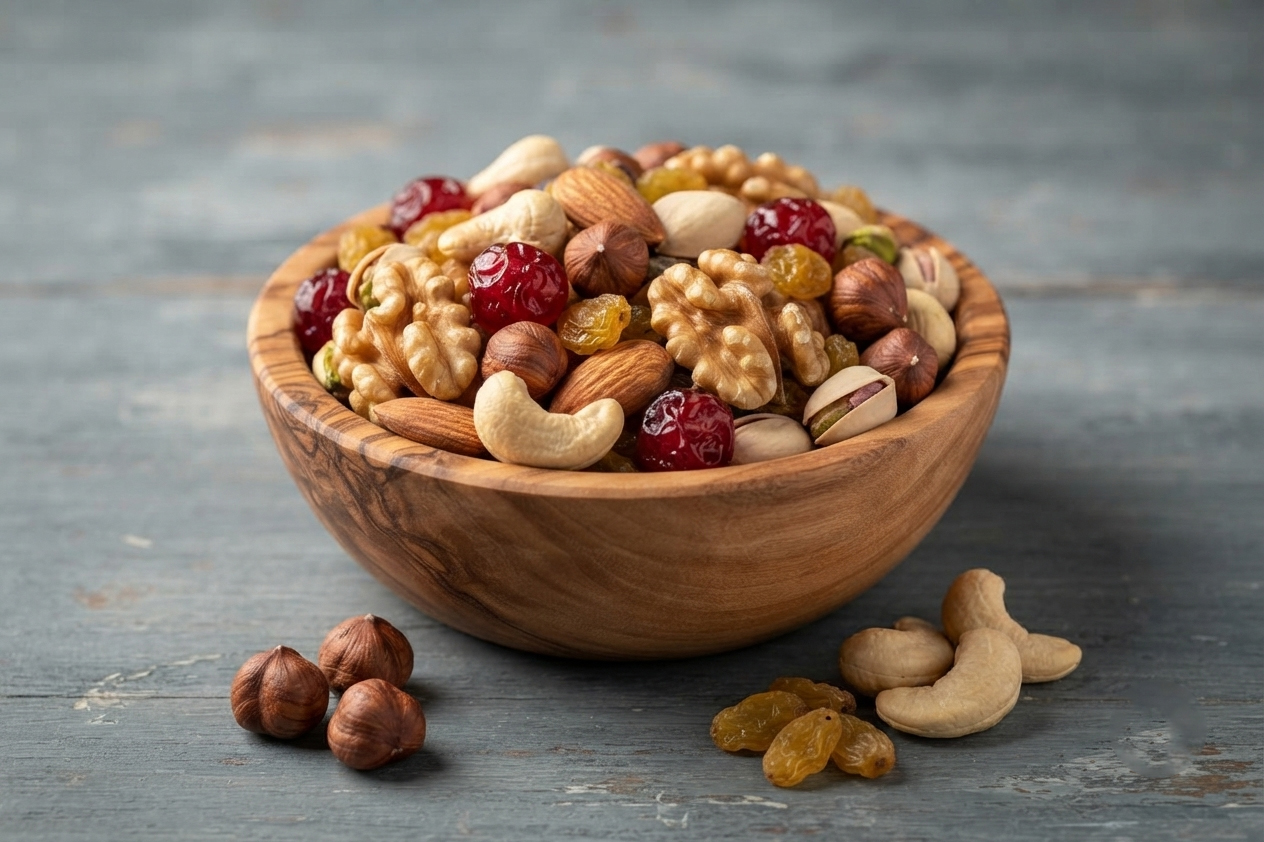
If you have diabetes, you've probably stared at a bowl of dried apricots or raisins and wondered: "Can I actually eat this, or will it wreck my blood sugar?" It's a fair question. Dry fruits get a mixed reputation — some call them nature's candy, others swear they're safe superfoods. The truth lies somewhere in between, and it depends entirely on which dry fruit you choose, how much you eat, and when you eat it.
This guide breaks down which dried fruits are safe for diabetics, which need a lighter hand, and how to incorporate them into your daily diet without any guesswork.
Are Dry Fruits Safe for Diabetics?
Yes — most dry fruits can be part of a diabetic-friendly diet, but with a caveat. Drying removes water from fruit, which concentrates everything inside it, including natural sugars. That's why portion control matters more with dry fruits than with fresh ones. The upside is that many dry fruits also have a low to moderate glycemic index (GI), meaning they release sugar into your bloodstream slowly instead of causing a spike. Nuts especially — almonds, walnuts, pistachios — are backed by research showing they can support better glycemic control when eaten in the right quantity.
List of Dry Fruits for Diabetics to Eat
Here's a quick, practical rundown of the best dried fruit for diabetics, and where each one fits into your day.
Almonds:
Almonds are often considered the gold standard. They're high in fibre, protein, and magnesium, and soaked almonds have a GI score close to zero. A small handful a day supports both blood sugar and heart health.
Walnuts:
Walnuts bring omega-3 fatty acids to the table, which help manage inflammation and support cardiovascular health — important since diabetes raises heart-disease risk.
Pistachios
Pistachios are fibre- and protein-rich with a low GI. Because you have to shell them yourself, they naturally slow down how much you eat, which is a bonus for portion control.
Are figs good for diabetics?
In moderation, yes. Dried figs are high in calcium, potassium, and fibre and have a moderate glycemic index. The fibre content helps slow sugar absorption, but figs are sweeter than nuts, so stick to one or two pieces rather than a handful.
Are prunes good for diabetics?
Prunes (dried plums) have one of the lowest GI scores among dried fruits — around 29 — and they're loaded with fibre, which supports both blood sugar stability and digestion. They're one of the safer dried-fruit choices for diabetics.
Are raisins good for diabetics?
Raisins sit in a slightly trickier spot. They have a GI ranging from moderate to high, and because they're so small, it's easy to eat far more than a proper serving in one go. A tablespoon or two, paired with a protein source like yogurt or nuts, is a safer way to enjoy them without a sugar spike.
Dates
Dates are naturally sweet and high in fibre and iron. Certain varieties have been shown to have a low GI, so dates in moderation — say, one or two — can be a good way to satisfy a sweet craving.
Dry Fruits Diabetics Should Limit
Not every dried fruit deserves a daily spot on your plate. Sugar-coated or candied dried fruits, dried mangoes with added sugar, and dried pineapple often carry a higher glycemic load. Always check the label for "no added sugar" before buying.
Portion Size and Timing Tips
A safe general rule is about a quarter cup (roughly a small fistful) of mixed dry fruits per day, which typically equals one carbohydrate serving. Eating dry fruits alongside a protein or healthy fat — like a spoon of yogurt or a few nuts — slows sugar absorption further. Mid-morning or as a pre-workout snack tends to work better than eating them right before bed.
FAQs: Dry Fruits and Diabetes
Are dry fruits good for diabetes overall?
Yes, when chosen carefully and eaten in controlled portions, most dry fruits — especially nuts and prunes — can support blood sugar management rather than harm it.
How much dry fruits can a diabetic eat per day?
Around a quarter cup (about 15g of carbohydrate) is a reasonable daily limit, though this varies by individual and should be adjusted with your doctor's guidance.
Which is the best dried fruit for diabetics?
Almonds, walnuts, pistachios, and prunes are generally considered the safest choices due to their low glycemic index and high fibre content.
Can diabetics eat raisins and dates every day?
In small, controlled portions, yes — but they should be paired with protein or fibre and not eaten freely, since both have a higher sugar concentration than nuts.
A Quick Word Before You Go
Every diabetic's body responds differently to food, even to "safe" choices like almonds or prunes. What's best for you depends on blood sugar goals, prescription regimens, and other medical issues. Before making any major changes to your diet, it's worth checking in with your doctor or a certified dietitian — they can help you personalise portion sizes and timing based on your specific blood sugar patterns. Think of this guide as a starting point for the conversation, not a replacement for it.
 Continue with Google