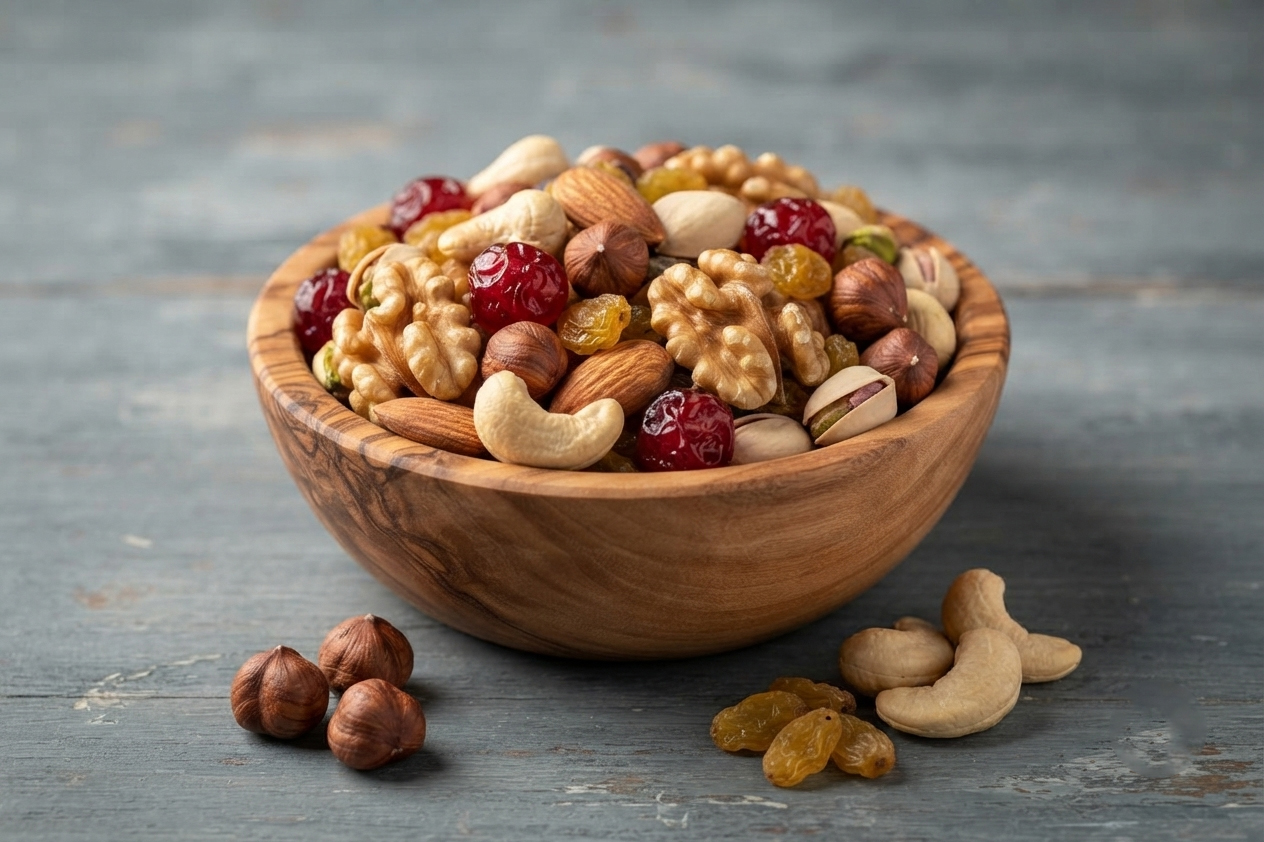
Cool weather, steaming tea, and delectable snacks are all part of the monsoon, but too much humidity might ruin your favorite dried fruits. Airborne moisture can cause raisins to get sticky, cashews to lose their crunch, almonds to become soft, and if stored improperly, mold to grow.
Investing in high-quality dried fruits requires careful storage to maintain their flavor, freshness, nutritional value, and shelf life.
In this guide, you'll learn the best ways to store dry fruits during the rainy season, so they stay fresh and delicious for months.
Why Is It Important to Store Dry Fruits Properly During Monsoon?
Dry fruits naturally contain healthy oils, vitamins, minerals, and antioxidants. During the rainy season, high humidity increases the chances of:
Moisture absorption
Mold growth
Loss of crunchiness
Rancid smell due to oxidation
Insect infestation
Reduced nutritional value
Proper storage helps protect both the quality and taste of your dry fruits.
10 Expert Tips to Store Dry Fruits During the Rainy Season
1. Always Use Airtight Containers
The easiest way to protect dry fruits from moisture is by storing them in airtight glass or BPA-free plastic containers.
Airtight containers prevent humid air from entering and help maintain freshness.
Best for:
2. Store Them in a Cool and Dry Place
Avoid placing dry fruits near:
Windows
Gas stove
Microwave
Sink
Areas exposed to sunlight
Instead, keep them inside a cool kitchen cabinet away from heat and moisture.
3. Refrigerate During High Humidity
If your city experiences heavy rainfall or high humidity, refrigeration is one of the best storage methods.
Store dry fruits in airtight containers before placing them inside the refrigerator to prevent moisture buildup.
Ideal for:
Walnuts
Almonds
Cashews
Pistachios
4. Never Store Wet or Damp Dry Fruits
Even a few drops of water can spoil an entire batch.
Always ensure:
Hands are dry
The spoon is dry
The container is completely moisture-free
5. Keep Different Dry Fruits Separate
Each dry fruit has different oil content and storage requirements.
Avoid mixing:
Raisins with almonds
Walnuts with cashews
Makhana with dried berries
Separate storage helps preserve their individual freshness and flavor.
6. Use Small Containers Instead of One Large Jar
Opening one large container repeatedly exposes all the dry fruits to humid air.
Instead, divide them into smaller airtight jars.
This simple habit significantly extends freshness.
7. Buy Only the Quantity You Need
Buying huge quantities during the monsoon may lead to spoilage if not consumed in time.
Purchase enough for 1–2 months and restock when required.
Fresh stock always tastes better.
8. Check Regularly for Signs of Spoilage
Inspect your dry fruits every few weeks.
Discard them if you notice:
Mold
Sour smell
Bitter taste
Excess moisture
White fungal spots
Never consume spoiled dry fruits.
9. Keep Makhana Extra Dry
Makhana absorbs moisture faster than most dry fruits.
Store it in:
Airtight containers
Cool cupboards
Dry shelves
If makhana becomes soft, lightly roast it for 2–3 minutes to restore its crunch.
10. Choose Premium Quality Dry Fruits
Fresh, premium-quality dry fruits naturally last longer because they are processed and packed more carefully.
Buying from a trusted brand also reduces the chances of receiving stale or low-quality products.
Common Mistakes to Avoid
Many people unknowingly reduce the shelf life of fresh dry fruits by making these mistakes:
Leaving containers open
Using wet spoons
Storing near heat sources
Mixing different varieties
Keeping dry fruits in direct sunlight
Buying excessive quantities during the monsoon
Avoid these mistakes to enjoy fresh dry fruits every day.
Should You Refrigerate Dry Fruits?
Yes, refrigeration is recommended during the rainy season, especially if you live in a humid region.
However, always remember:
Use airtight containers.
Let refrigerated dry fruits come to room temperature before opening the container to avoid condensation.
How Long Do Dry Fruits Stay Fresh?
When stored correctly:
Almonds: 8–12 months
Cashews: 6–9 months
Pistachios: 6–9 months
Walnuts: 6–12 months (refrigerated)
Raisins: Up to 12 months
Makhana: 4–6 months in an airtight container
Storage conditions may affect shelf life.
Why Choose Ashapura Dry Fruits?
At Ashapura Dry Fruits, we believe freshness starts with quality.
Our carefully selected premium dry fruits are packed to help preserve their natural taste and nutrition, making them a great choice for everyday snacking and festive gifting.
Whether you're looking for:
Premium Almonds
Cashews
Walnuts
Pistachios
Raisins
Makhana
Seeds
Healthy Snacks
Ashapura Dry Fruits offers products that are sourced with quality in mind.
Final Thoughts
The rainy season doesn't mean you have to compromise on the freshness of your favorite dry fruits. With proper storage techniques like using airtight containers, avoiding moisture, refrigerating when needed, and buying premium-quality products, you can enjoy crunchy, nutritious dry fruits throughout the monsoon.
Small storage habits can make a big difference in preserving taste, texture, and nutrition.
Stay healthy this monsoon by storing your dry fruits the right way.
Frequently Asked Questions (FAQs)
1. How should I store dry fruits during the rainy season?
To keep items fresh, store them in airtight containers placed in a cool, dry place. This helps maintain quality and prevent spoilage. Refrigeration is recommended in humid regions.
2. Can dry fruits spoil during the monsoon?
Yes. Excess humidity can lead to moisture absorption, mold growth, and loss of freshness if dry fruits are not stored properly.
3. Is it safe to refrigerate dry fruits?
Yes. Refrigeration helps extend shelf life, especially for almonds, walnuts, cashews, and pistachios.
4. How do I keep makhana crunchy during monsoon?
Store makhana in an airtight container away from moisture. If it becomes soft, lightly roast it for a few minutes before eating.
 Continue with Google